


Fiberon™ PETG-ESD
210 disponibili
Fiberon™ PETG-ESD – ESD Protection with Enhanced Toughness Fiberon™ PETG-ESD pairs electrostatic dissipation with an improved-toughness PETG base, combining two properties that are rarely found together in a printable material. Compounded with carbon nanotubes, it achieves very low surface resistivity…
Fiberon™ PETG-ESD – ESD Protection with Enhanced Toughness
Fiberon™ PETG-ESD pairs electrostatic dissipation with an improved-toughness PETG base, combining two properties that are rarely found together in a printable material. Compounded with carbon nanotubes, it achieves very low surface resistivity — enabling reliable dissipation of electrostatic charges to protect sensitive electronics during assembly, housing, or handling operations. It is part of the Fiberon™ family of high-performance composite filaments by Polymaker, designed to make advanced materials accessible on standard FDM setups without specialist knowledge or hardware.
ESD Protection Through Carbon Nanotube Technology
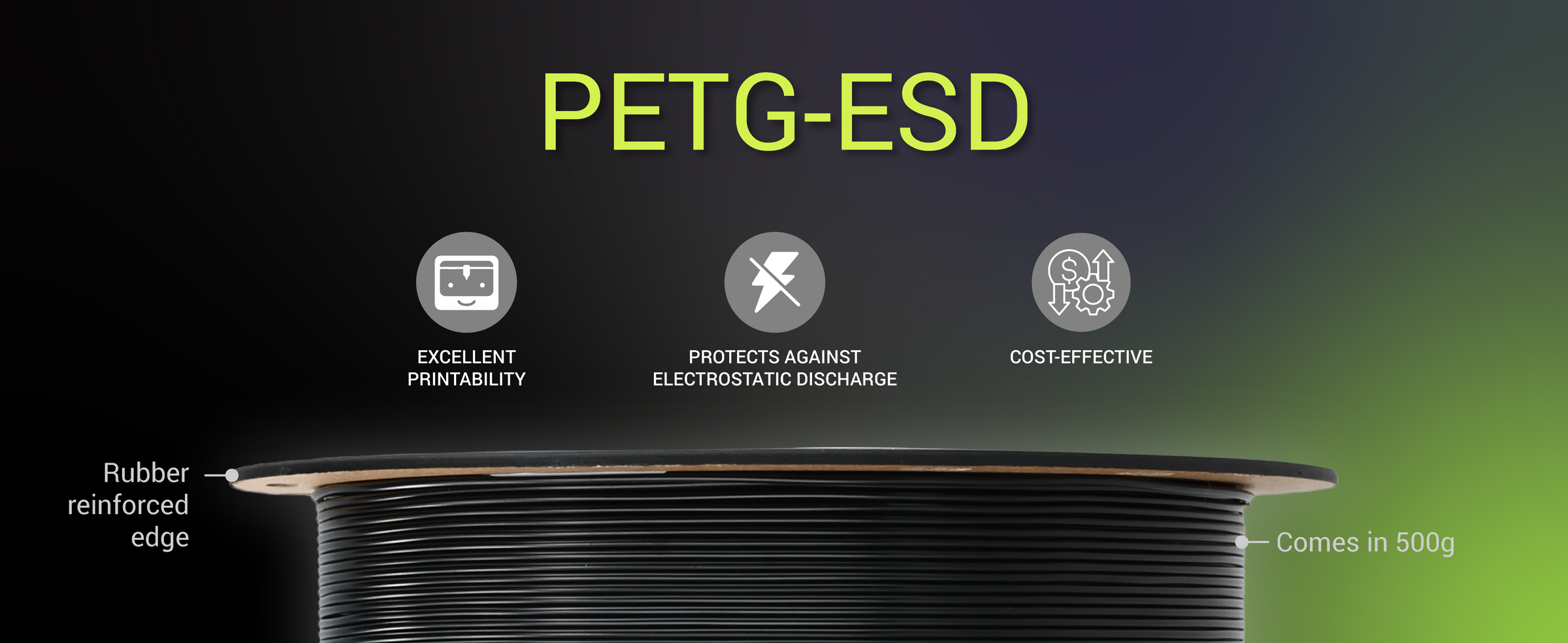
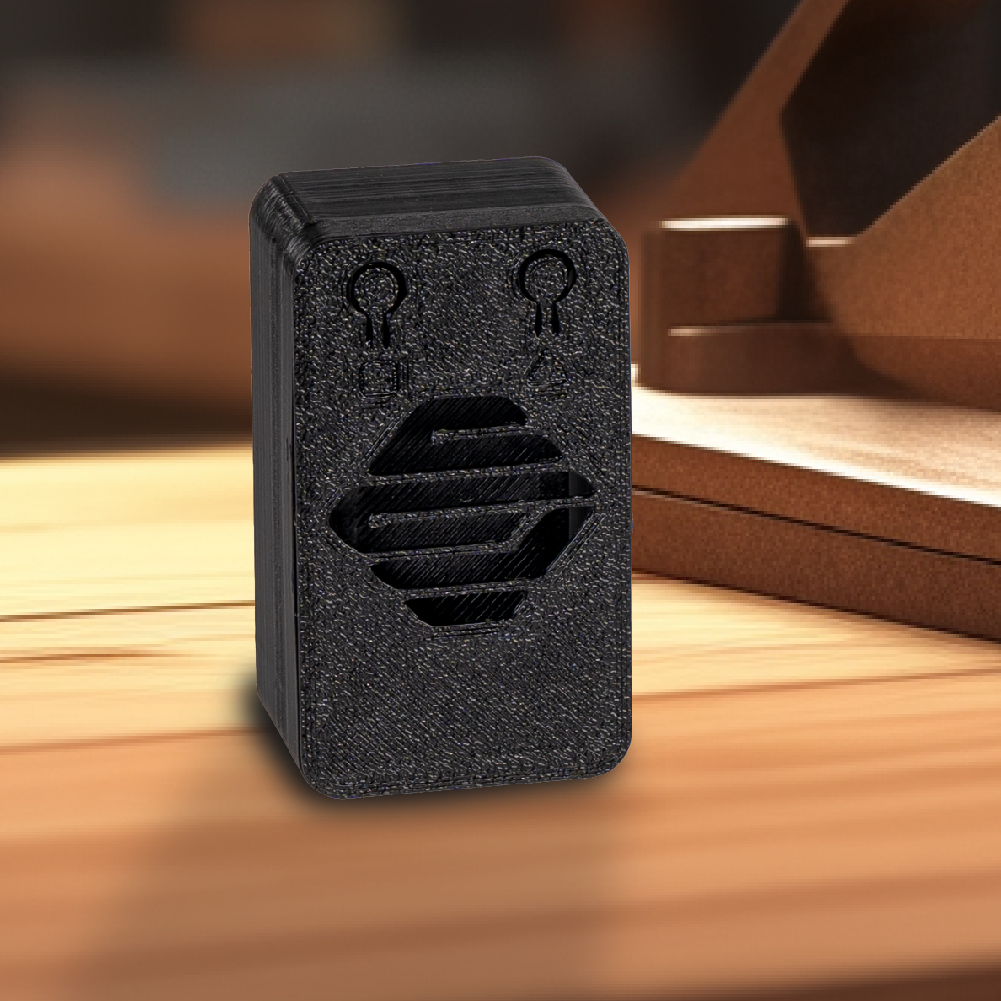
The ESD properties of Fiberon™ PETG-ESD are achieved through carbon nanotube compounding — not surface coatings. This means the electrostatic dissipation is consistent throughout the printed part and remains effective even after machining or surface wear. To fully activate the ESD properties, printing at a minimum nozzle temperature of 250°C is recommended. Higher nozzle temperatures (up to 290°C) further reduce surface resistivity. Note: this material requires a hardened steel nozzle due to the abrasiveness of the carbon nanotubes.
Electrical Properties
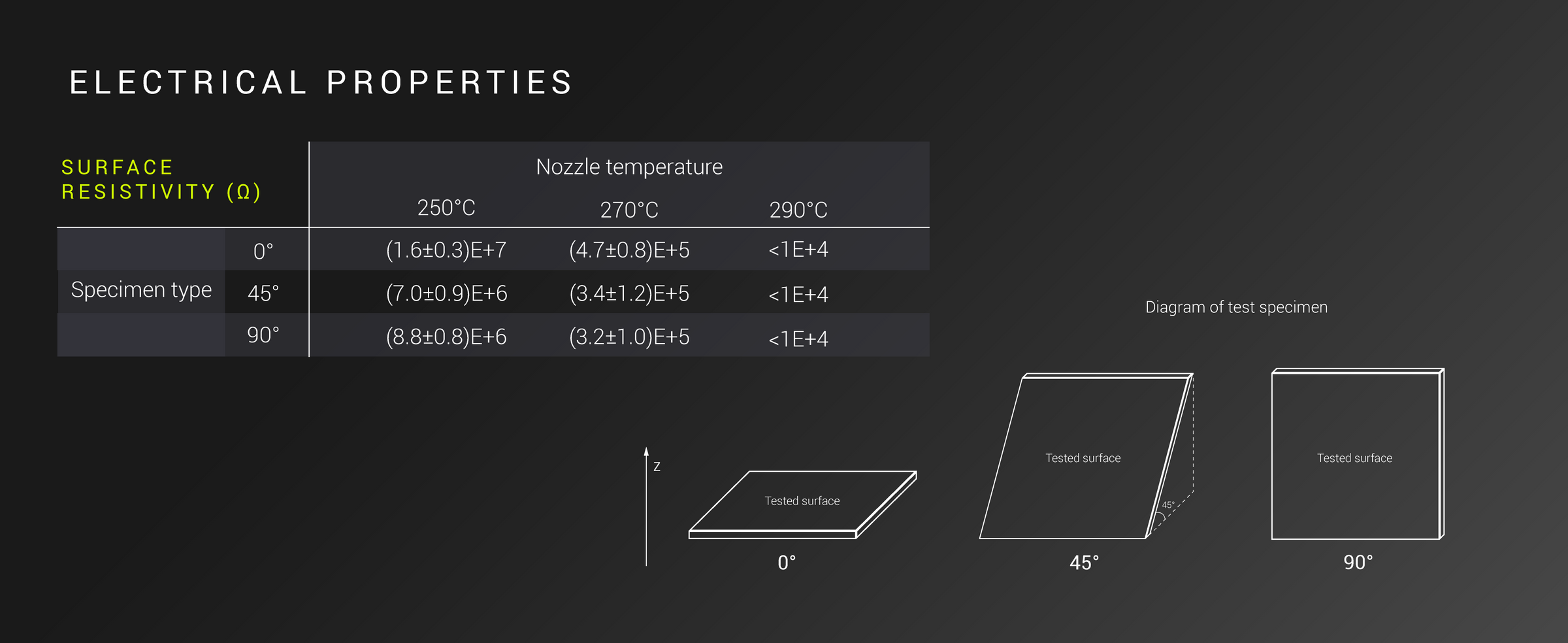
Surface resistivity varies with print orientation and nozzle temperature. At 270°C, all specimen orientations achieve a surface resistivity in the 10⁵ Ω range. At 290°C, all orientations achieve below 1E+4 Ω — well within the ESD-safe range. Note that ESD-safe materials operate in the 10⁶–10⁸ Ω range and should not be confused with conductive filaments. Measuring resistivity requires a dedicated ESD tester; a standard multimeter is not sufficient.
Thermal and Mechanical Properties
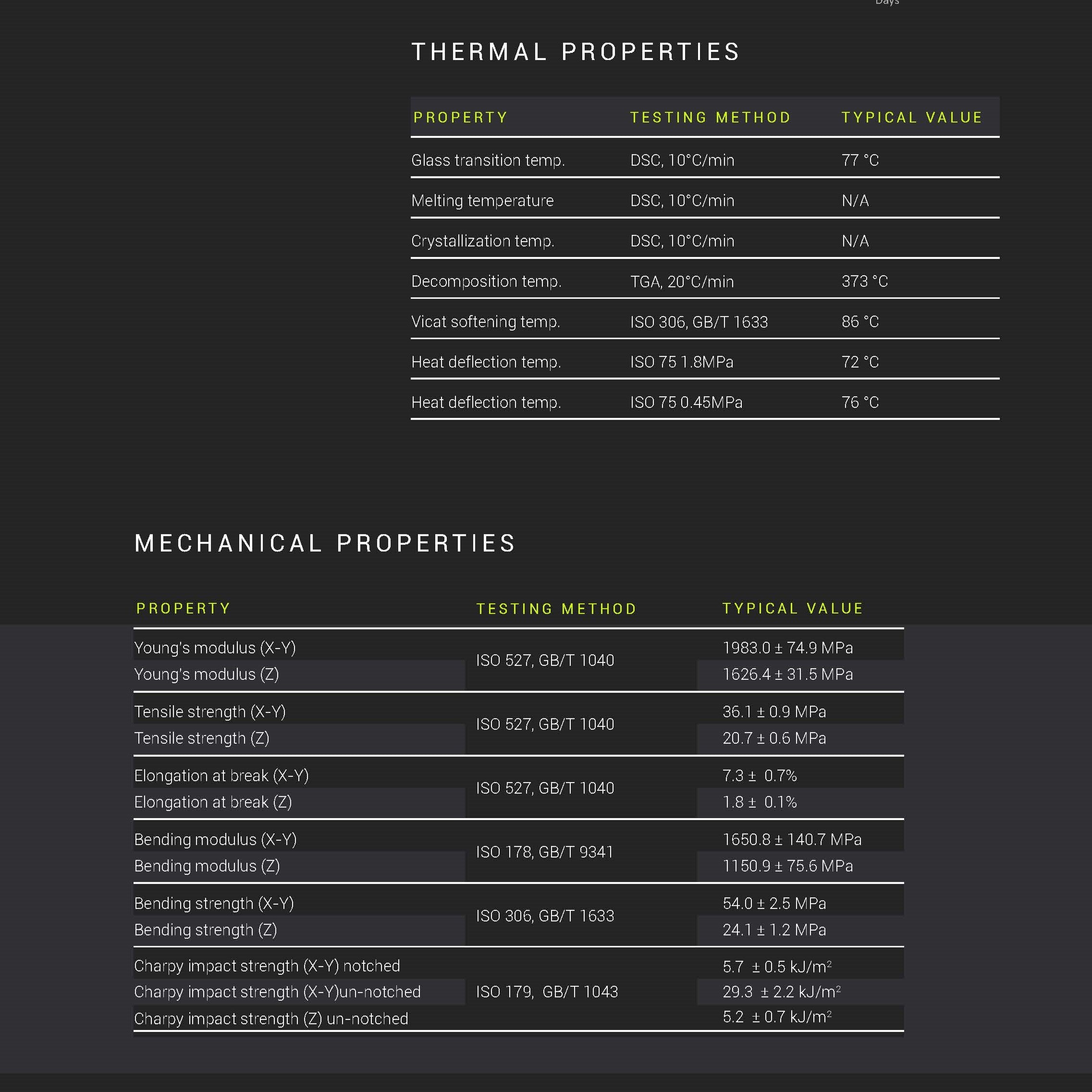
Fiberon™ PETG-ESD combines the well-established printability of PETG with improved mechanical performance. A glass transition temperature of 77°C and heat deflection temperature of 76°C (ISO 75 at 0.45 MPa) provide adequate thermal resistance for most electronics assembly environments. Mechanically, the material offers a tensile strength of 36.1 MPa and a bending modulus of 1,651 MPa in the XY plane, with an elongation at break of 7.3% — indicating meaningful ductility before failure. Charpy notched impact strength of 5.7 kJ/m² makes it tougher than standard PETG for demanding industrial use.
Enhanced Toughness for Demanding Applications
Beyond ESD protection, Fiberon™ PETG-ESD delivers improved toughness compared to standard PETG. With a tensile strength of 36 MPa, elongation at break of 7.3%, and a Charpy notched impact strength of 5.7 kJ/m², it produces durable, impact-resistant parts suitable for real-world industrial use. A heat deflection temperature of 76°C (ISO 75 at 0.45 MPa) adds thermal resilience, making it suitable for moderately elevated temperature environments.
Typical Applications
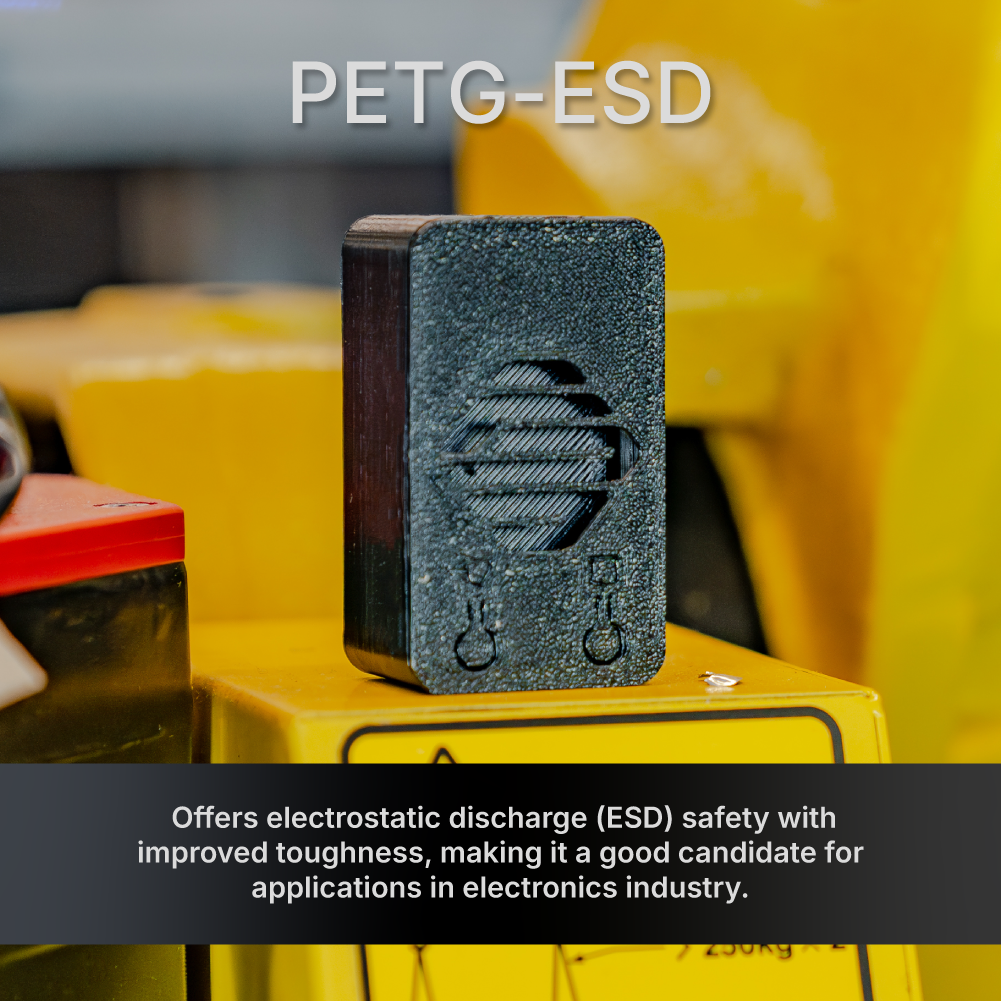
- Electronic component packaging and trays
- ESD-safe jigs, fixtures, and assembly tools
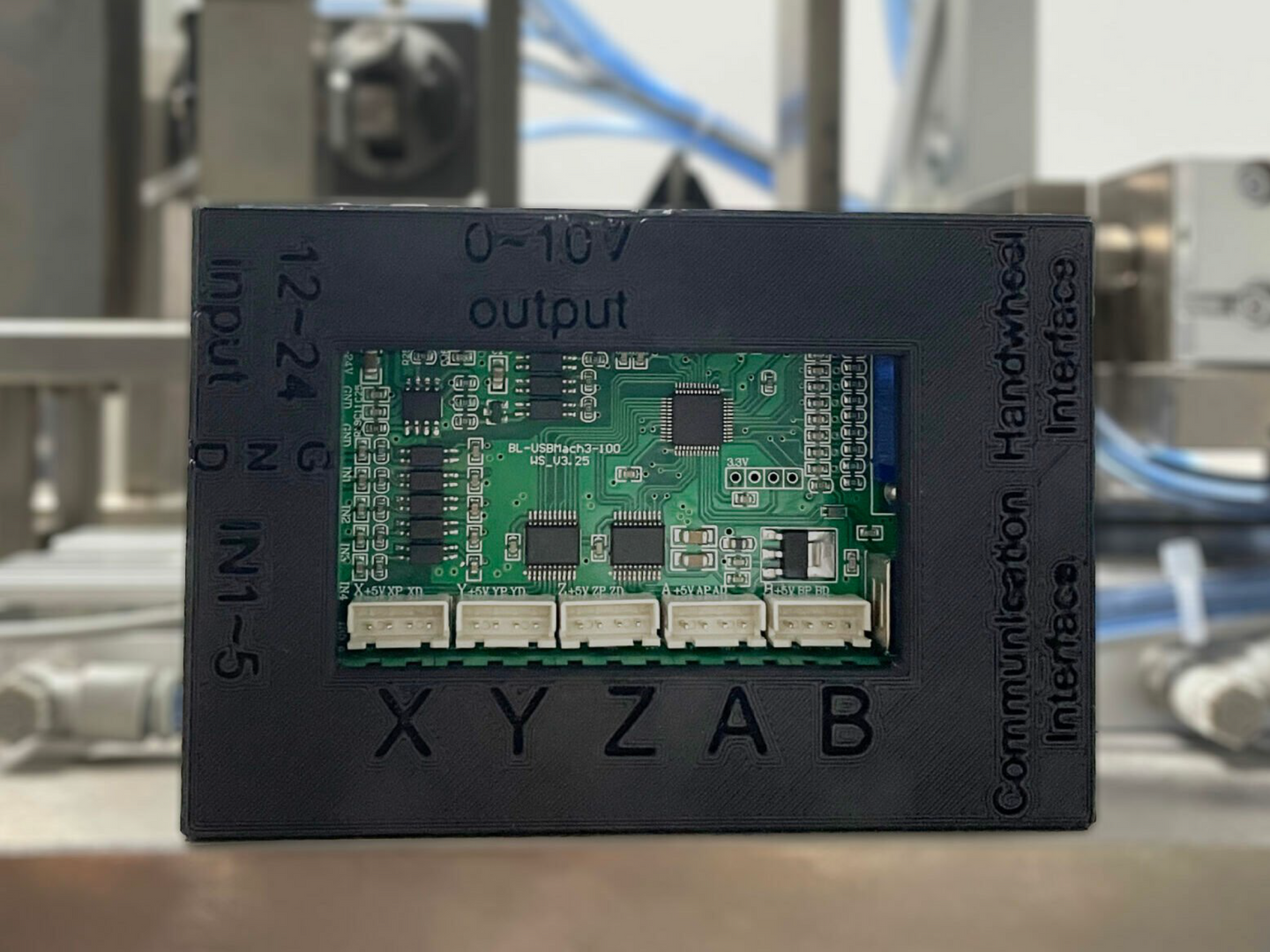
- Electronic housings and enclosures
- End-of-arm tooling in electronics manufacturing
- PCB handling and storage components
- Any industrial part requiring static charge dissipation
Fiberon™ Materials Comparison
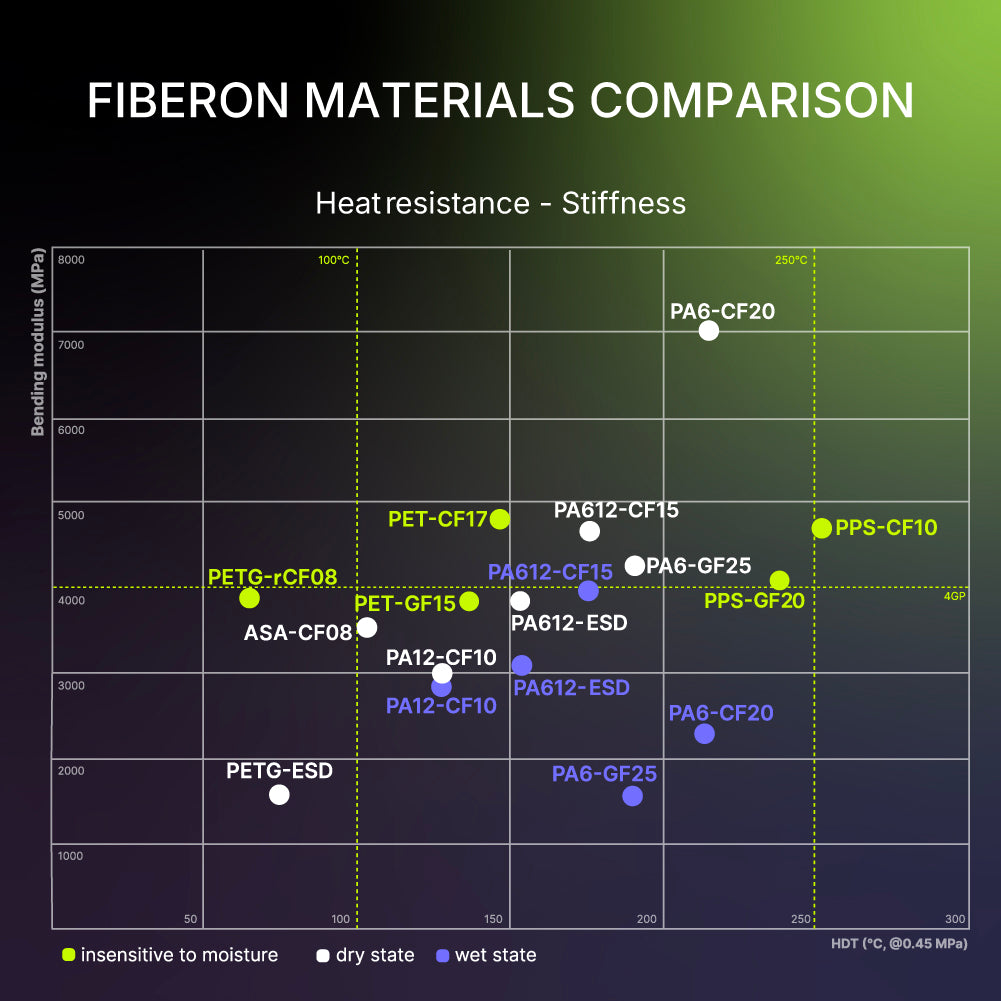
PETG-ESD sits at the entry point of the Fiberon™ composite range, offering moderate stiffness and heat resistance in exchange for excellent ESD protection and ease of printing. For applications requiring higher HDT or greater stiffness alongside ESD protection, consider Fiberon™ PA612-ESD. The Fiberon™ materials comparison chart maps the full range across heat resistance (HDT) and stiffness (bending modulus) to help select the right material for your application.
Dimensional Accuracy
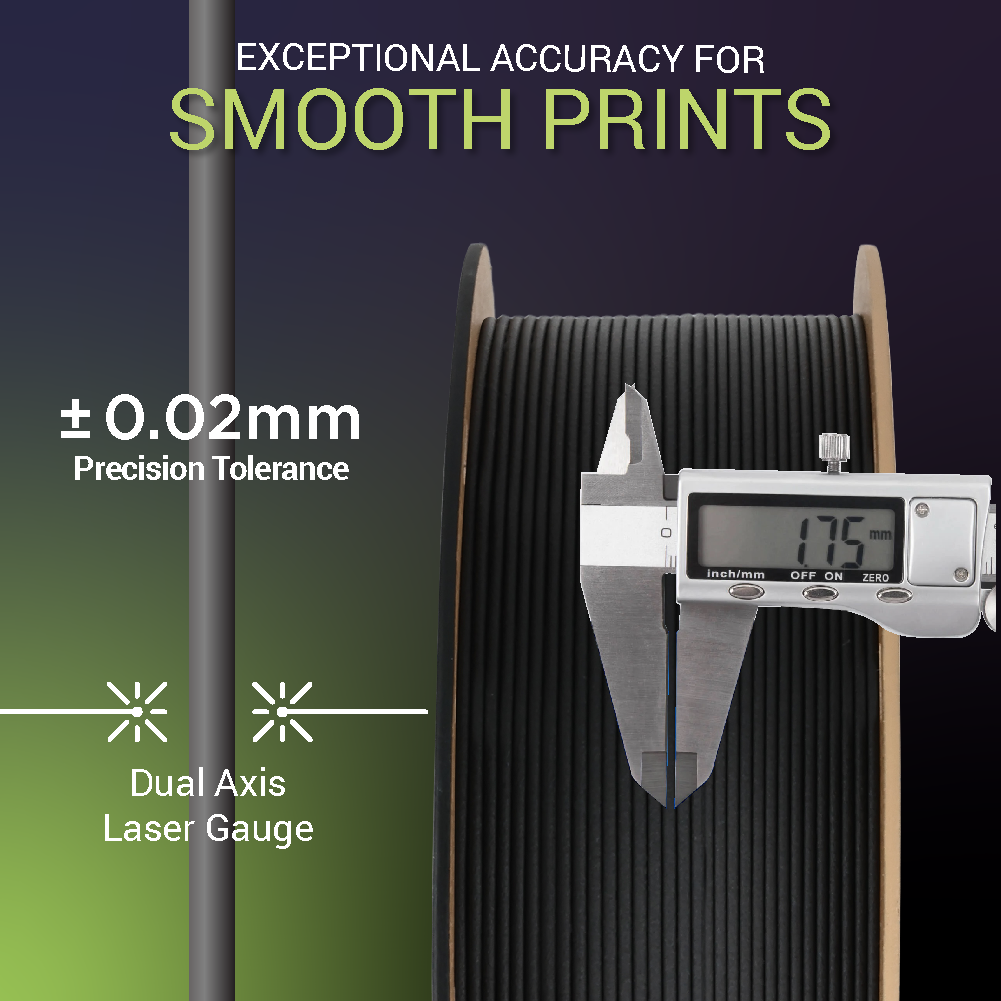
Fiberon™ PETG-ESD is manufactured to a dimensional tolerance of ±0.02 mm, verified by dual-axis laser gauge during production for consistently smooth, reliable extrusion throughout the spool.
Print Settings
- Printing temperature: 250°C – 290°C
- Bed temperature: 70°C – 80°C
- Printing speed: up to 500 mm/s
- Enclosure: not required
- Nozzle: hardened steel required
- Drying: 65°C for 3 hours before printing
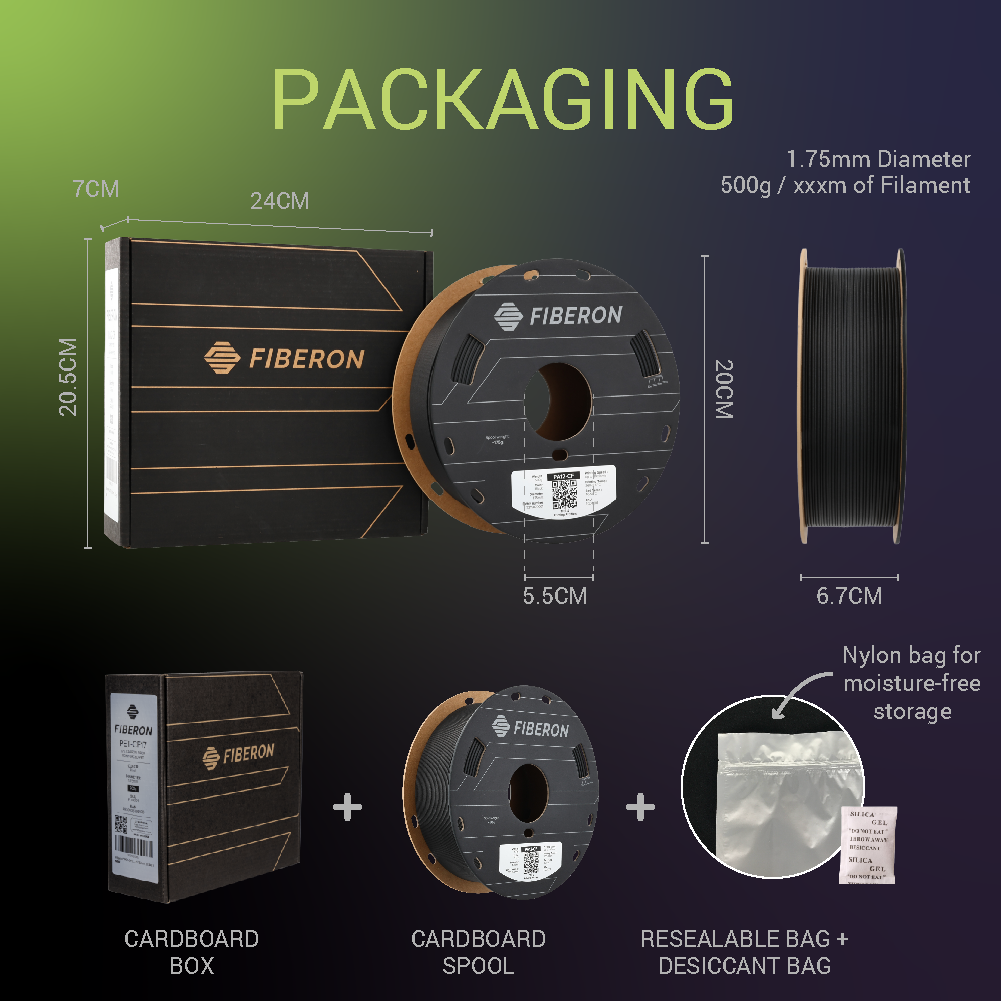
- Diameter: 1.75 mm / Spool: 500 g
Packaging and Spool
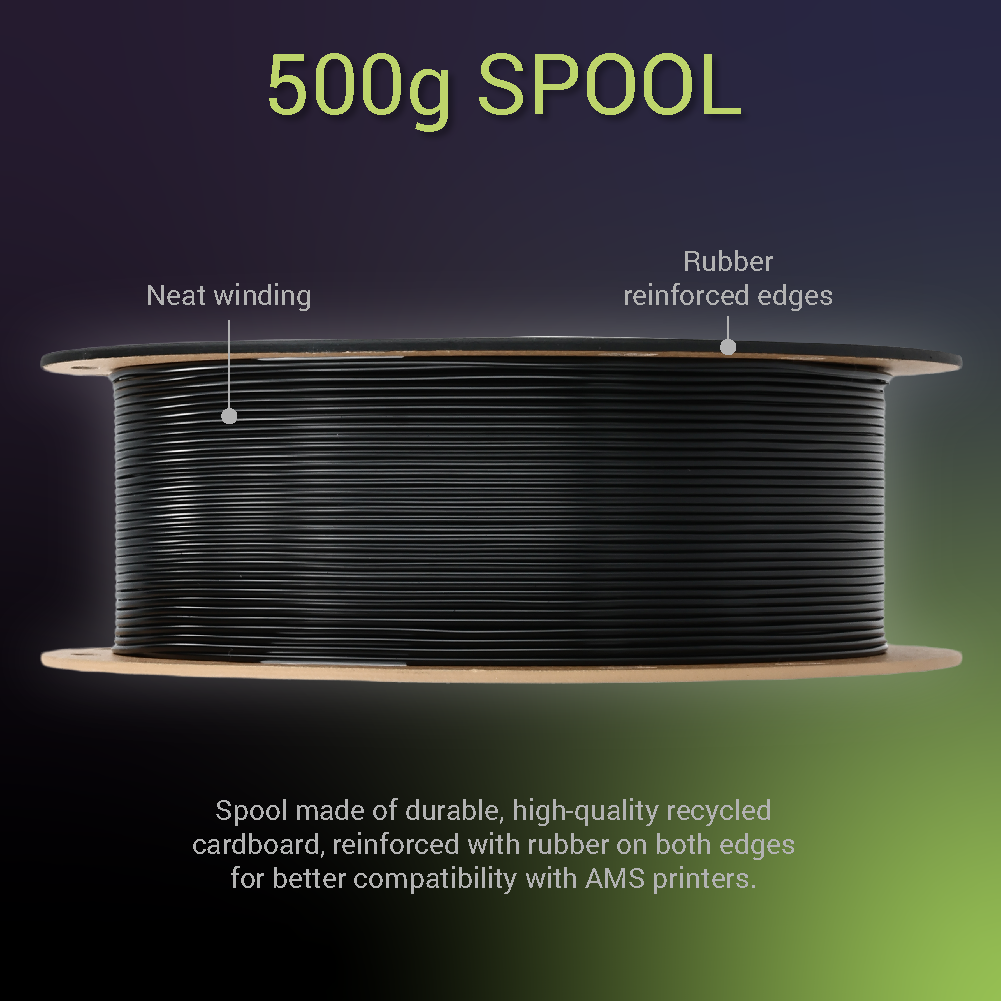
Each 500 g spool is supplied in a resealable nylon bag with desiccant for moisture-free storage, packed in a Fiberon™ cardboard box. The cardboard spool features rubber-reinforced edges for smooth rolling in AMS and multi-material systems, and is precision-wound to prevent tangles. Drying at 65°C for 3 hours before printing is recommended for best results. Store in a dry environment after opening.
Based on 0 reviews
Be the first to review “Fiberon™ PETG-ESD”
You must be logged in to post a review.
Prodotti correlati
-
Filamenti e Resine
eSun PEBA-90A
High-Performance Flexible MaterialPEBA (Polyether Block Amide) is an advanced thermoplastic elastomer that combines rigid polyamide segments with flexible polyether components. This unique structure gives the material an excellent balance of strength, flexibility, and durability. Parts printed with PEBA 90A can…
SKU: n/a -
Filamenti e Resine
eSUN PLA-Basic
High-Speed PrintingEngineered for efficiency, eSUN PLA-Basic enables print speeds up to six times faster than ordinary PLA. This makes it an excellent choice for users looking to complete prints quickly without compromising on quality.Wide CompatibilityDesigned to work seamlessly with most…
SKU: 32376 -
Filamenti e Resine
Copymaster3D PLA Duo-Silk
Copymaster3D Duo-Silk Step into a world of unmatched sophistication and creativity with Copymaster3D PLA Duo-Silk Filament. Uniquely engineered with the innovative Duo-Silk technology, this filament seamlessly weaves two complementary colours into a single strand, creating prints that showcase a harmonious…
SKU: n/a -
Filamenti e Resine
Raise3D Hyper Speed PLA Filament
Product Overview Raise3D Hyper Speed PLA is a high-performance thermoplastic formulated to maximize productivity without compromising print quality. Through optimized molecular weight and flow characteristics, it melts rapidly in the nozzle and cools quickly, enabling precise layer definition and smooth…
SKU: n/a


There are no reviews yet.